
A practical guide to help homeowners prioritize maintenance, prevent costly problems, schedule seasonal care, manage repairs, budget for upkeep, and keep the home running over time.


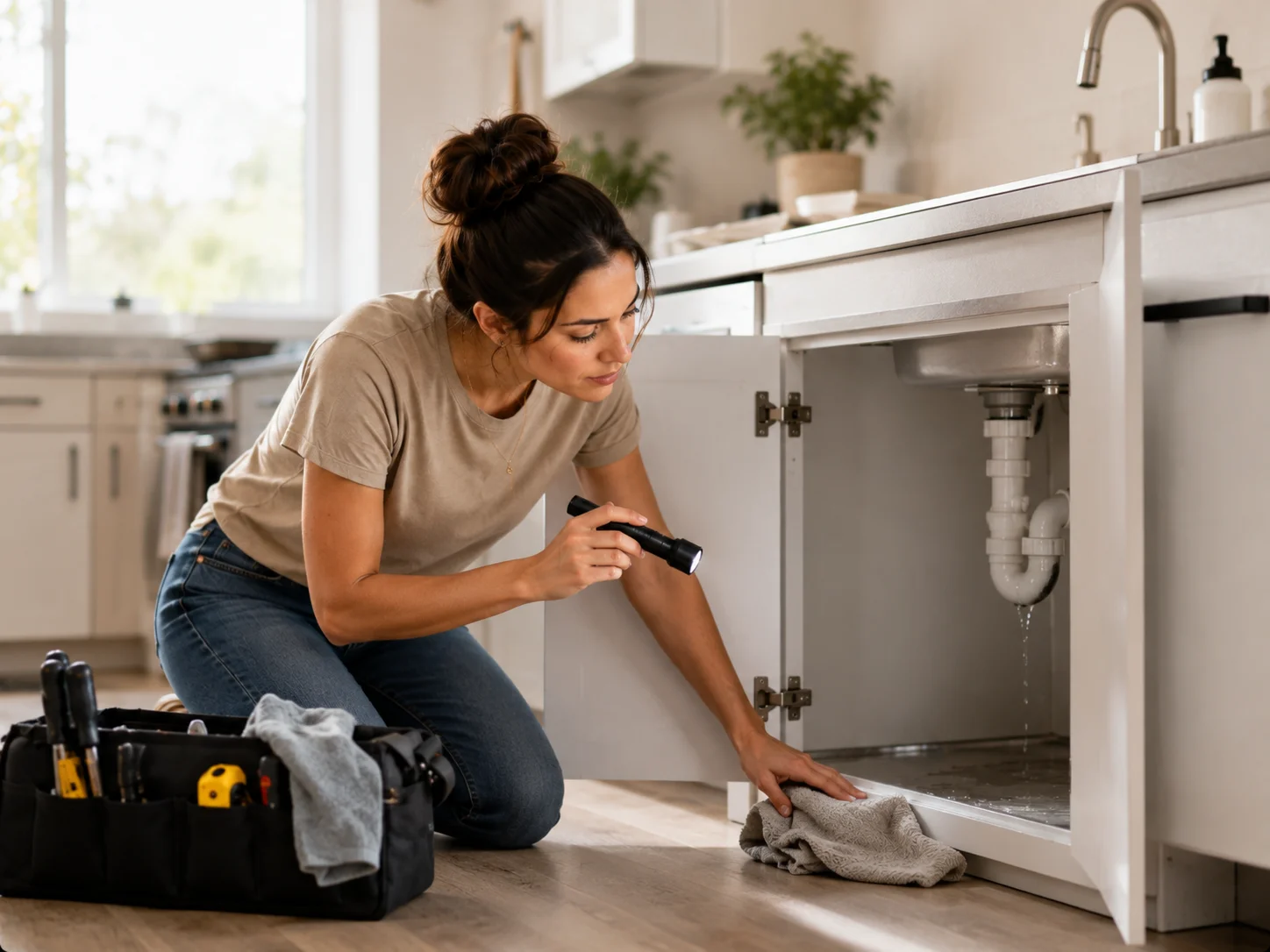

The essential maintenance steps homeowners should not skip because they affect safety, water control, system performance, repair costs, or long-term home condition.

Deeper checks for older homes, complex systems, basements, mature trees, HOA properties, harsh climates, or homeowners who want stronger prevention.
A clear checkpoint that helps you decide whether your home maintenance system is ready to move forward or needs more attention.
The 8 Stages of Maintaining Your First Home
Start with Stage 1 if you are moving from setup into ongoing ownership. If you already have a specific issue, jump to the stage that matches your current maintenance decision.
Purpose: Turn inspection findings, system ages, known issues, and home-specific risks into a clear maintenance starting point.
Main Risk: Following generic checklists without knowing what this specific home actually needs first.
Deliverable: Home Maintenance Baseline
Purpose: Identify gutters, drainage paths, roof edges, basement moisture, plumbing risks, and leak-prone areas before damage spreads.
Main Risk: Treating small water signs as minor issues until they become expensive repair, mold, foundation, or insurance problems.
Deliverable: Water and Drainage Priority Map
Purpose: Build a practical monthly, seasonal, and annual maintenance schedule based on your home, climate, systems, and risk profile.
Main Risk: Remembering maintenance only after the season, storm, heat, cold, or system failure creates urgency.
Deliverable: Seasonal Maintenance Calendar
Purpose: Keep HVAC filters, seasonal service, smoke alarms, CO detectors, dryer vents, and comfort systems on a reliable schedule.
Main Risk: Ignoring simple recurring tasks until they affect safety, energy cost, indoor air quality, or system lifespan.
Deliverable: Core Systems Maintenance Schedule
Purpose: Monitor system age, recurring symptoms, repair priorities, contractor notes, warranties, and future replacement timing.
Main Risk: eacting to each repair separately and missing the larger pattern of aging systems or repeated problems.
Deliverable: Repair and Replacement Tracker
Purpose: Classify maintenance tasks by risk and decide what is safe to handle yourself versus what needs professional help.
Main Risk: Saving money on the wrong task and creating safety, permit, warranty, or repair problems later.
Deliverable: DIY vs Pro Decision Framework
Purpose: Create a dedicated maintenance reserve based on home age, condition, repair priorities, systems, and expected replacements.
Main Risk: Letting every repair become a financial surprise because maintenance money was never planned or protected.
Deliverable: Home Maintenance Reserve Plan
Purpose: Store maintenance records, photos, invoices, warranties, contractor notes, service dates, and capital improvement documentation.
Main Risk: Losing proof needed later for repairs, warranty claims, insurance claims, resale, taxes, or major decisions.
Deliverable: Home Maintenance Record System
Most maintenance problems do not begin as emergencies. They begin as missed reminders, ignored water signs, undocumented repairs, weak budgets, delayed service, or small symptoms that no one tracked early enough.
A checklist is useful only if it fits the actual home. Age, systems, climate, drainage, trees, basement risk, and inspection findings should shape priorities.

Gutter cleaning, HVAC service, winter preparation, pest prevention, and exterior checks are most useful before the season creates the problem.
Gutters, drainage, roof edges, basement moisture, plumbing leaks, and exterior gaps should be watched early because water problems often spread quietly.
Invoices, photos, warranties, contractor notes, service dates, and repair history are easy to lose and hard to recreate when needed later.
Some tasks are safe and simple. Others involve electrical, gas, roof, plumbing, structural, permit, or warranty risk and should not be guessed through.

Repeated leaks, recurring HVAC problems, breaker trips, pest activity, or moisture signs may point to a larger pattern, not isolated bad luck.
A practical guide to help you plan seasonal upkeep, prevent costly repairs, manage home systems, budget for maintenance, and keep your first home running well.

Follow a clear, logical path—no more piecing together random advice .
Every tip and checklist is designed for people Buying Home for the first time.
Covers the actual choices and questions you’ll face after Buying a Home.
We cite reliable sources and highlight your rights—no sponsored content.
No upsells, no agents influence—just honest, practical guidance.
Answers the questions real buyers have, after Buying a home.
Answers to common questions about how to use this maintenance guide.
No. This guide is not a technical repair manual. It helps homeowners decide what to maintain, what to prioritize, when to schedule tasks, what to track, when to hire help, and how to build a maintenance system.
If you have an active safety, water, electrical, gas, HVAC, or structural issue, address that first. Then use Stage 1 to build the broader baseline so the rest of your maintenance decisions are not handled randomly.
Yes, at least once. Not every task will apply to every home, but each stage covers a different ownership risk: baseline, water, seasonal care, systems, repairs, DIY decisions, budgeting, and records.
No. A calendar helps, but it is not the whole system. You also need repair tracking, budgeting, contractor decisions, documentation, and property-specific priorities based on the actual home.
Treat safety issues, active leaks, water intrusion, electrical concerns, gas smells, heat loss, pest infestation, roof leaks, and repeated system failures as higher priority. Cosmetic issues usually come later.
Hire help when the task involves electrical panels, gas, major plumbing, roof access, structural issues, HVAC repairs, permits, warranty limits, or any problem you do not understand well enough to handle safely.
Explore the full real questions and answers library