


U.S. New Homeowner Maintenance Guide- Stage 5
Ongoing Guide · Last Edited:
July 22, 2026

Track Aging Systems Before They Fail

Average household repair costs reached $4,779 in 2025 — $2,458 routine plus $2,321 emergency. Aging systems don't fail randomly. They fail in clusters. Knowing which ones are close to end-of-life is how you avoid being surprised by all of them at once.

Track Aging Systems Before They Fail
Fist Home Decisions Guide
Home Decisions Guide

Why This Stage Matters

Homeowners often react to repairs one at a time. That feels manageable until several aging systems fail close together. A repair tracker helps the owner decide whether a problem is isolated, recurring, worsening, or signaling replacement.

This stage is not about doing every repair immediately. It is about building enough visibility to avoid being surprised by predictable system decline. The roof, HVAC, water heater, and major appliances often reach end-of-life in overlapping windows — and that overlap is the most common reason homeowners report repair fatigue.

Critical Actions You Should Do

1. Create a repair priority list

Use inspection findings, contractor notes, maintenance observations, and your own experience. Rank issues as: (1) safety, (2) water, (3) functional, (4) preventive, (5) cosmetic, or (6) optional. The numbered ranking forces honest prioritization.

2. Track system age and remaining useful life

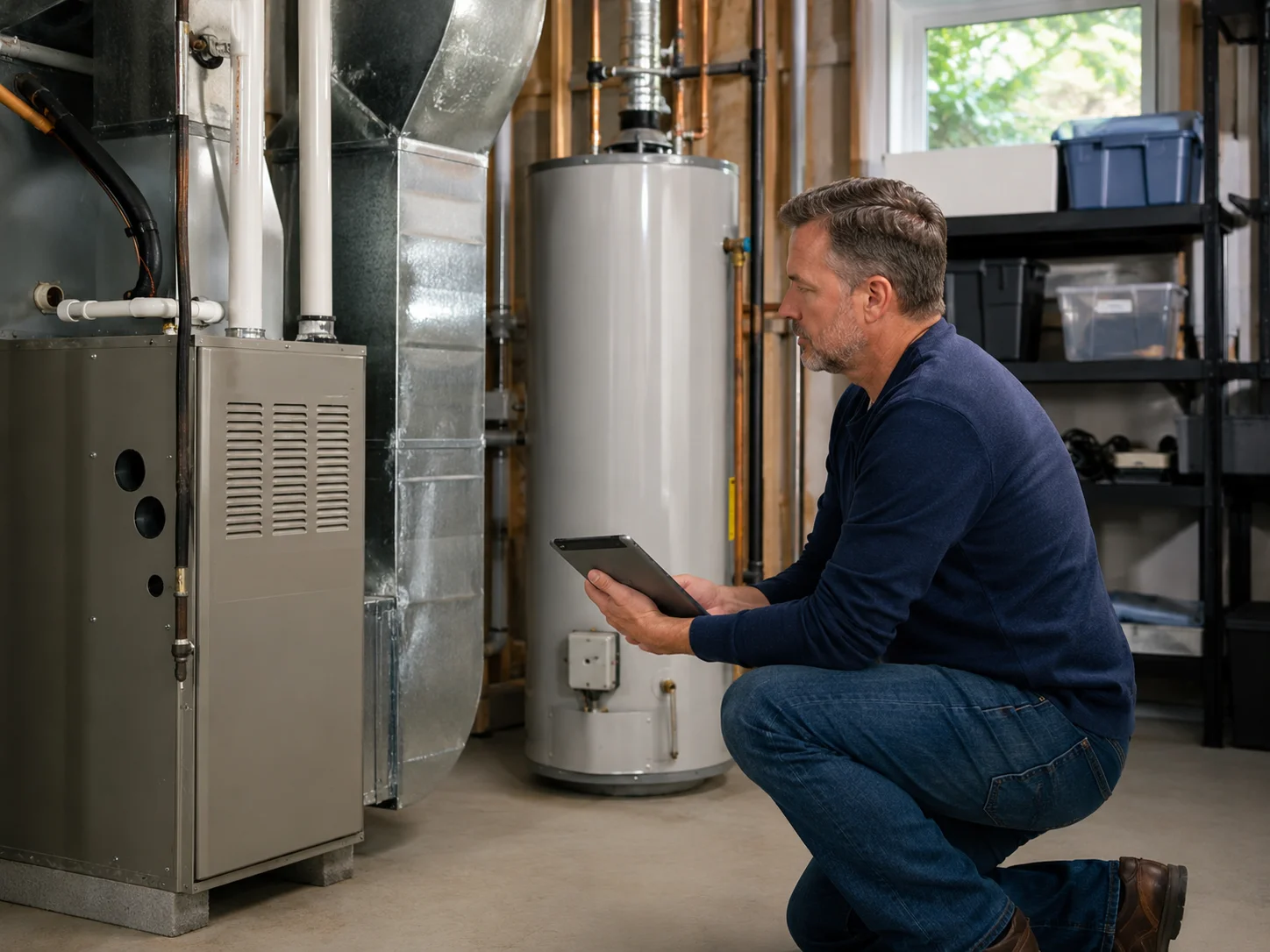
Record estimated age and typical lifespan for: roof (15–30 years), HVAC (15–20 years), water heater (8–12 years), major appliances (10–15 years), windows, exterior paint, deck, plumbing, electrical panel, sump pump. Knowing the gap between current age and typical lifespan converts 'when will this fail' from anxiety into planning.

3. Document symptoms before calling a contractor

Take photos, record dates, note weather conditions, capture sounds or error codes, and describe frequency. Better documentation improves diagnosis — and helps you compare contractor recommendations against each other when the same symptoms produce different opinions.

4. Separate one-time repairs from recurring problems

A one-time fix may be simple. Recurring leaks, repeated breaker trips, frequent HVAC service calls, or repeated pest activity signal a deeper problem that surface repairs will not solve. Recurrence is itself a diagnostic finding.

5. Get multiple estimates for non-emergency major repairs

For repairs over $1,000 — and especially for replacements over $5,000 — compare 2–3 estimates on scope, materials, warranty, timeline, exclusions, payment schedule, and contractor license/insurance status. Compare scopes, not just bottom-line prices.

6. Decide when replacement planning should begin

Replacement planning should begin BEFORE total failure when a system is old, repair costs are rising, or failure would create serious disruption. Typical replacement cost ranges: roof $8,000–$25,000; HVAC $5,000–$15,000 installed; water heater $1,000–$3,500; major appliances $800–$3,000. Knowing these ranges before failure prevents panic decisions.

Extra Actions You Can Do

1. Create a five-year replacement outlook

List likely major replacements by year and estimated cost range. This connects directly to the maintenance reserve plan in Stage 7. A five-year horizon catches the most common cluster.

2. Track repair-to-replacement ratio

If repeated repairs to a single system are approaching 30–50% of replacement cost, replacement is usually the more rational decision than continued patching.

3. Keep contractor recommendations in writing

Written recommendations help compare advice over time and avoid memory-based decisions. Email recommendations are sufficient — they timestamp themselves.

4. Record warranties and service limits

Some repairs, parts, appliances, and systems may have active warranties, extended service contracts, or manufacturer recalls. Check before paying out of pocket. Manufacturer recall databases are free — check at SaferProducts.gov before scheduling repair for an appliance under 10 years old.

Decision Gate

Important Signs That You Should Consider When You Want to Decide

  • ✓  GO AHEAD

    AND CONTINUE IF

    •  A repair priority list exists with safety/water/functional/preventive ranking.

    •  Major systems have estimated ages and remaining-life notes.

    •  Recurring problems are flagged.

    •  Large repairs have 2–3 estimates with scope comparison.

  • ✗  STOP

    AND REASSESS IF

    •  Multiple systems are aging with no replacement plan.

    •  Repairs are being approved without documentation.

    •  Contractor advice conflicts and no second opinion has been obtained.

    •  A safety, water, or electrical issue remains unresolved.

STAGE DELIVERABLE

Repair and Replacement Tracker

A ranked record of repair issues, system age, symptoms, estimates, contractor notes, warranties, and a five-year replacement outlook.

[background image] image of topdown photo of desk with laptop (for a food and agtech)