
A practical guide to help you understand homeowners insurance, identify coverage gaps, prepare for claims, plan for emergencies, reduce preventable losses, review liability, and keep your protection current every year.



The essential steps homeowners should not skip because they affect coverage, financial exposure, emergency readiness, claim success, liability protection, or future insurability.

Deeper checks for high-risk locations, older homes, flood-prone properties, wildfire or hurricane areas, expensive belongings, pools, dogs, detached structures and etc.

A clear continue-or-stop checkpoint that helps you decide whether your protection system is ready or whether coverage, documents, or risk questions still need attention.
The 8 Stages of Protecting Your First Home
Start with Stage 1 if you recently bought a home or are reviewing your protection for the first time. If you already have insurance, a claim concern, an emergency planning need, or a renewal issue, jump to the stage that matches your current decision.
Purpose: Identify your home’s main protection exposures, documents, location risks, policy questions, household risks, and uncertain coverage areas before comparing insurance options.
Main Risk: Assuming “I have homeowners insurance” means the home, belongings, liability, and recovery needs are fully protected.
Deliverable: Home Protection Baseline
Purpose: Review coverage limits, deductibles, exclusions, replacement cost, actual cash value, dwelling coverage, personal property, loss of use, liability, and rebuild-cost assumptions.
Main Risk: Owning a policy that satisfies the lender but does not match the real cost to rebuild, replace belongings, or recover after a loss.
Deliverable: Homeowners Policy SnapshotChecklist
Purpose: Review flood, sewer backup, sump overflow, service line, earthquake, ordinance or law, scheduled property, equipment breakdown, and other uncovered or limited risks.
Main Risk: Discovering after a loss that the damage was excluded, capped, required separate coverage, or was never reviewed.
Deliverable: Coverage Gap Map
Purpose: Create a claim-ready system with home inventory, photos, receipts, serial numbers, policy documents, emergency contacts, claim history awareness, and documentation rules.
Main Risk: Trying to prove ownership, value, damage, timing, or condition only after a fire, theft, flood, storm, or major loss.
Deliverable: Claim-Ready Home File
Purpose: Prepare household roles, evacuation routes, emergency contacts, alerts, supplies, shutoff access, document access, pet needs, and backup power decisions.
Main Risk: Having insurance but no practical plan for what to do during a storm, fire, flood, outage, evacuation, or household emergency.
Deliverable: Home Emergency Readiness Plan
Purpose: Use targeted prevention for leaks, fire, smoke, carbon monoxide, frozen pipes, theft, security, smart-home access, and insurer mitigation opportunities.
Main Risk: Paying for coverage while ignoring preventable risks that could reduce damage, disruption, claim severity, or future insurance problems.
Deliverable: Home Loss-Prevention Checklist
Purpose: Review personal liability, medical payments, umbrella coverage, guests, dogs, pools, contractors, home business, short-term rental, and household risk exposure.
Main Risk: Protecting the structure while leaving the homeowner exposed to liability claims that may exceed standard policy limits.
Deliverable: Liability and Umbrella Risk Review
Purpose: Review policy renewal, premium changes, deductibles, coverage limits, endorsements, home inventory, rebuild cost, market availability, and non-renewal risk every year.
Main Risk: Letting coverage drift out of date as costs, risks, property changes, belongings, insurer rules, and insurance markets change.
Deliverable: Annual Protection Review
Most protection problems do not begin with the disaster. They begin earlier: with an unread policy, missing coverage, weak documentation, no emergency plan, ignored liability exposure, or an auto-renewed policy no one reviewed.
A homeowners policy is not a complete protection system. Coverage limits, deductibles, exclusions, endorsements, claim rules, and documentation all matter.

The price of the home, the mortgage balance, and the cost to rebuild are different numbers. Dwelling coverage should be tested against reconstruction cost.

A lower premium can hide higher deductibles, weaker coverage, missing endorsements, claim-service problems, or reduced replacement-cost protection.
Premiums, deductibles, exclusions, coverage limits, insurer appetite, property changes, and market availability can change. Protection needs annual review.
Receipts, photos, serial numbers, video walkthroughs, appraisals, and records are much harder to recreate after fire, theft, flood, or storm damage.
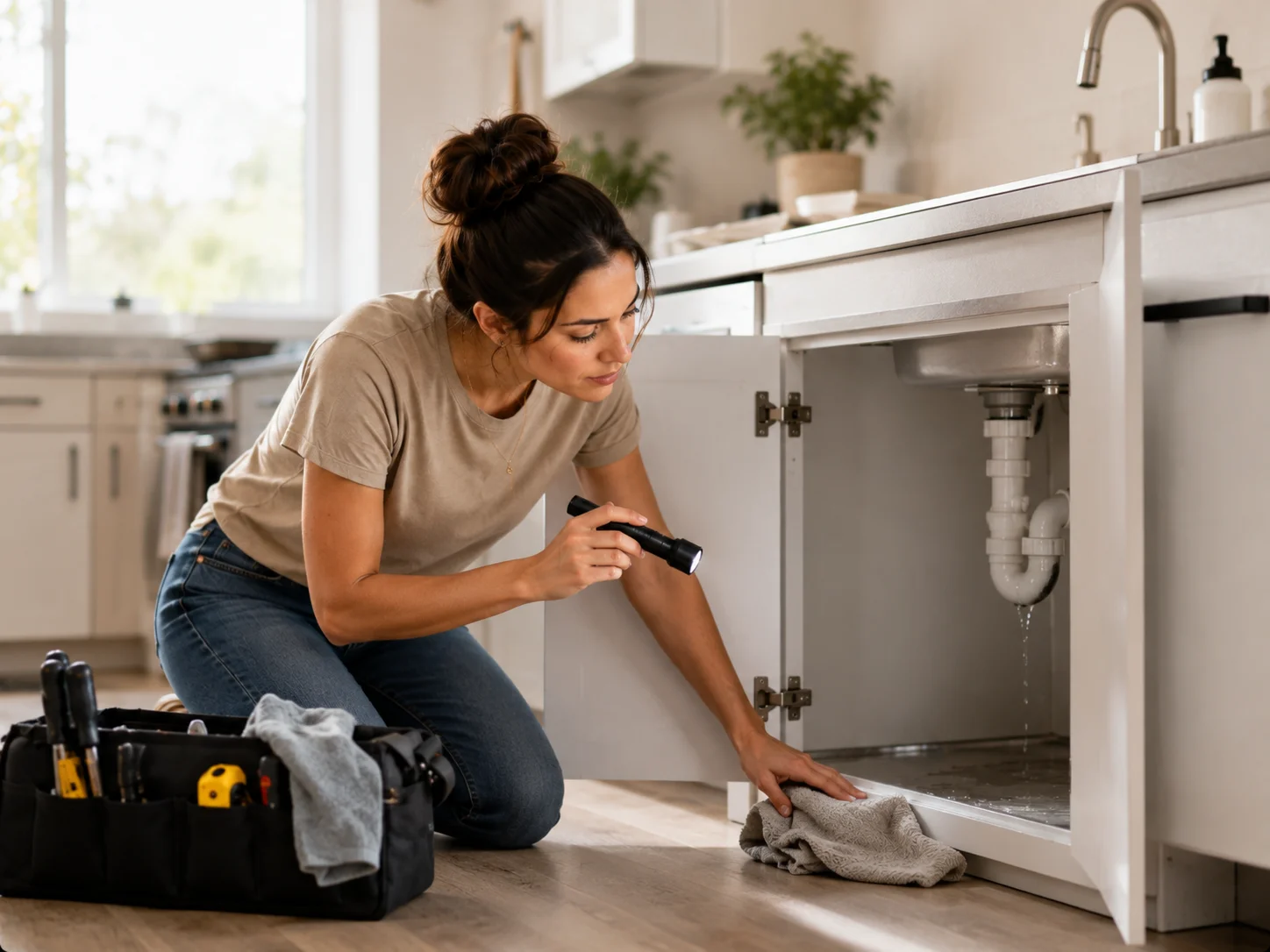
Flood, sewer backup, sump overflow, service line issues, sudden leaks, and gradual water damage are treated differently. One word, “water,” does not mean one type of coverage.
A practical guide to help homeowners understand Protection policy and select best coverage plan.

Follow a clear, logical path—no more piecing together random advice.
Every tip and checklist is designed for people Buying Home for the first time.
Covers the actual choices and questions you’ll face after renting buying home.
We cite reliable sources and highlight your rights—no sponsored content.
No upsells, no landlord or agent influence—just honest, practical guidance.
Answers the questions real people have, after buying firsy home.
Answers to common questions homeowners often face when using this protection guide.
No. This guide is general decision support for homeowners in the United States. It helps you organize questions, risks, documents, coverage issues, and protection decisions, but it does not replace qualified legal, insurance, tax, financial, or professional advice.
Start with Stage 1. It helps you build a protection baseline by identifying your home’s risks, documents, uncertain coverage areas, and first questions before comparing policies or endorsements.
Start with Stage 2 to understand the policy you already have, then use Stage 3 to identify gaps and Stage 8 to create an annual review routine.
Start with Stage 1. Compare options, check carrier quality, review property risks, and use independent agent or state insurance resources when the home has special risks.
Use Stage 1 to identify the home’s risks, Stage 2 to understand the policy, and Stage 3 to review gaps such as flood, sewer backup, service line, earthquake, valuables, and equipment breakdown.
Because coverage, deductibles, premiums, rebuild costs, belongings, renovations, insurer rules, and market availability can change. Stage 8 turns protection into a yearly review system.
Explore the full real questions and answers library