


U.S. New Homeowner Maintenance Guide- Stage 2
Ongoing Guide · Last Edited:
July 22, 2026

Stop Water Damage Before It Becomes a Claim

Water damage is the second most common home insurance claim, with an average payout of $13,954 per claim. A $20 leak sensor and a clean gutter prevent most of what you'd otherwise file a claim for.

Stop Water Damage Before It Becomes a Claim
Fist Home Decisions Guide
Home Decisions Guide

Why This Stage Matters

Water is the most destructive routine maintenance risk for most homes. It can damage structure, finishes, insulation, flooring, electrical systems, foundations, basements, roofs, windows, and indoor air quality. A homeowner who controls water risk controls a large share of future repair exposure.

This stage is not about flood insurance or climate coverage — those belong in the Protect guide. This stage is about physical maintenance: keeping water away from the structure, detecting leaks early, and reducing moisture-related damage before it becomes a claim.

Critical Actions You Should Do

1. Inspect gutters, downspouts, and drainage paths seasonally

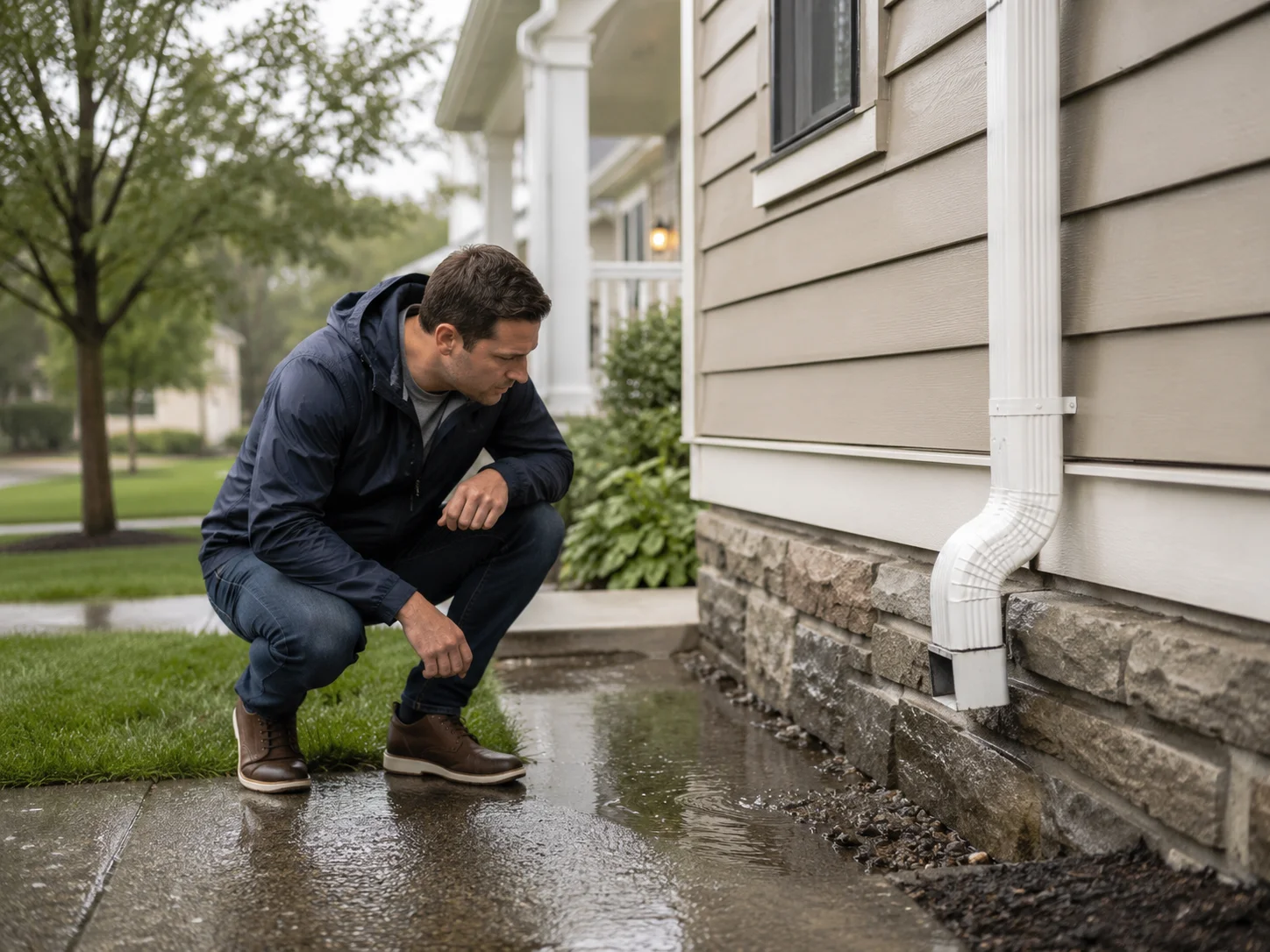
Confirm that gutters are clear, attached, not overflowing, and sending water away from the foundation. Downspouts should discharge at least 4–6 feet from the home. Gutters that overflow near the foundation are the most common cause of basement moisture and foundation damage — both of which are expensive to remediate and often not covered by standard insurance.

2. Walk the exterior after rain

Look for pooling water, overflowing gutters, soil erosion, wet basement areas, roof runoff problems, clogged drains, and water moving toward the foundation. Dry-weather inspections miss most drainage problems. A 10-minute walk in the rain reveals more than a 2-hour walk on a sunny day.

3. Check basements, crawl spaces, and lower levels for moisture monthly

Look for damp smells, staining, efflorescence (white mineral deposits), mold signs, soft materials, sump pump activity, and recurring wet areas. Early signs matter more than dramatic flooding. Fewer than 20% of homeowners take precautionary steps against water damage despite it being the second most common insurance claim type.

4. Monitor roof, flashing, windows, and exterior openings

Water often enters through failed flashing, roof penetrations, siding gaps, window seals, exterior caulk, and damaged trim. Check these seasonally and after major storms. Visible roof damage from the ground is often a late symptom — binoculars from the yard or a drone photo from a contractor catches problems earlier.

5. Inspect plumbing leak-prone areas monthly

Check under sinks, around toilets, near the water heater, behind washing machines, around refrigerators with water lines, and near dishwashers. Small leaks can remain hidden until damage is significant. The EPA estimates 10% of homes leak 90+ gallons per day — most are not visible without deliberate inspection.

6. Install leak detection tools where the ROI is highest

A point-of-use water sensor costs $20–$50. A whole-home leak detection system with auto-shutoff costs $300–$1,000 installed. Against an average water damage claim of $13,954 — and the documented effect of leak detection on emergency reduction — these are among the highest ROI maintenance investments available. Prioritize installation near water heaters, sump pumps, washing machines, basements, and any finished space below a bathroom or kitchen.

Extra Actions You Can Do

1. Create a water-risk map

Photograph gutters, downspouts, sump pump, basement corners, drainage low points, water heater, washer, and plumbing fixtures. Mark areas that need seasonal inspection. This becomes part of the documentation system from Stage 8.

2. Schedule professional help for recurring drainage or basement moisture

Repeated moisture is not just an inconvenience. It may require drainage correction, gutter work, grading changes, sump pump review, or waterproofing assessment.

3. Check tree and roof interactions

Branches near the roof increase gutter debris, damage roofing, and contribute to moisture retention. Trees within 10 feet of the foundation can also affect drainage and sewer lines. Tree maintenance is part of water-risk management.

4. Track water events with timestamps

Record leaks, damp areas, storm issues, repairs, and contractor recommendations with photos and dates. Patterns matter when deciding whether a problem is recurring or resolved — and when filing an insurance claim.

Decision Gate

Important Signs That You Should Consider When You Want to Decide

  • ✓  GO AHEAD

    AND CONTINUE IF

    •  Gutters, downspouts, and drainage paths checked.

    •  Interior moisture-prone areas inspected monthly.

    •  Leak-prone fixtures and appliances monitored.

    •  Any known water issue has a next action with timing.

  • ✗  STOP

    AND REASSESS IF

    •  Water pools near the foundation.

    •  Basement moisture is recurring.

    •  Roof, window, or plumbing leaks are active.

    •  You do not know how water moves around the property.

STAGE DELIVERABLE

Water and Drainage Priority Map

A practical map of the home’s water-risk areas, inspection points, recurring concerns, and next actions — with leak detection installed where ROI is highest.

[background image] image of topdown photo of desk with laptop (for a food and agtech)