
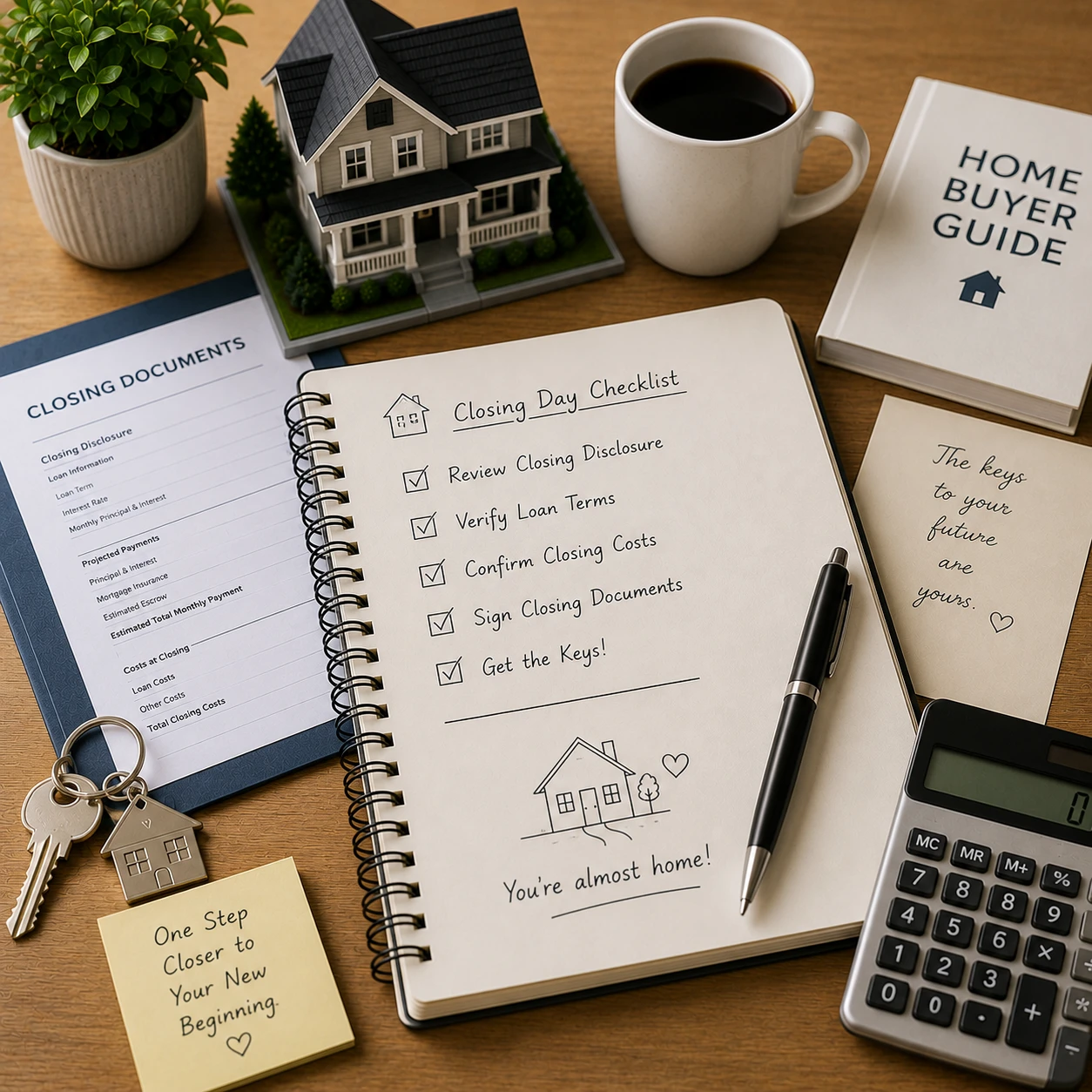


1. Review the Closing Disclosure carefully before closing day
Review the Closing Disclosure as soon as you receive it, not at the signing table. Compare it against your earlier Loan Estimate line by line: loan amount, interest rate, monthly payment, cash-to-close, lender fees, title fees, escrow items, taxes, insurance, and prepaid costs. CFPB guidance explains that some fees should not change, some have limits, and others may vary. Ask your lender to explain any unexpected change before closing day.
2. Confirm homeowners insurance is active and acceptable
Your lender usually requires active homeowners insurance before closing, but you should also confirm that the coverage works for you. Verify the coverage amount, deductible, premium, effective date, named insured, lender information, and any special requirements for flood, wind, wildfire, or other local risks. Insurance is not just a closing condition. It affects your monthly payment, escrow, risk exposure, and ability to complete the purchase.
3. Review title and ownership details
Title review confirms whether the seller can legally transfer ownership and whether there are liens, easements, restrictions, or other issues affecting the property. Understand how ownership will be shown on the deed, especially if you are buying with another person. Also confirm the difference between lender’s title insurance and owner’s title insurance. Lender’s coverage protects the lender. Owner’s title insurance is the policy designed to protect your ownership interest.
4. Verify wire instructions by phone before transferring any funds
Never rely on wire instructions received only by email, especially during closing week. Real estate wire fraud remains a serious closing-stage risk, and FBI IC3 data shows that these scams cause major losses each year. Before transferring funds, call your closing agent or title company using a phone number you confirmed earlier, not a number inside a new email. Verify the account, recipient, routing information, and exact wire amount before sending anything.
5. Complete the final walkthrough within 48 hours of closing
The final walkthrough is your last practical chance to confirm that the property is in the agreed condition before you sign. Check that negotiated repairs were completed, agreed-upon appliances and fixtures are still present, utilities are functioning where applicable, no new damage has appeared, and the seller has removed personal property unless otherwise agreed. This is not a full inspection, but it is a final verification before ownership transfers.
6. Avoid financial changes before closing
Do not open new credit accounts, finance furniture, buy a car, make large purchases, change employment, move large funds, or make unusual deposits without direct lender guidance. Lenders may re-check credit, employment, assets, and debt before closing. A last-minute financial change can trigger new underwriting questions, delay closing, or even threaten approval. Stay financially quiet until the transaction is fully closed and recorded.
![[background image] image of topdown photo of desk with laptop (for a food and agtech)](https://cdn.prod.website-files.com/69fcbfd51b2bc69ac521880f/6a33dfa5776699afc5a2cd35_7182686e-6068-46b5-b231-80326bc2e7b3.avif)