
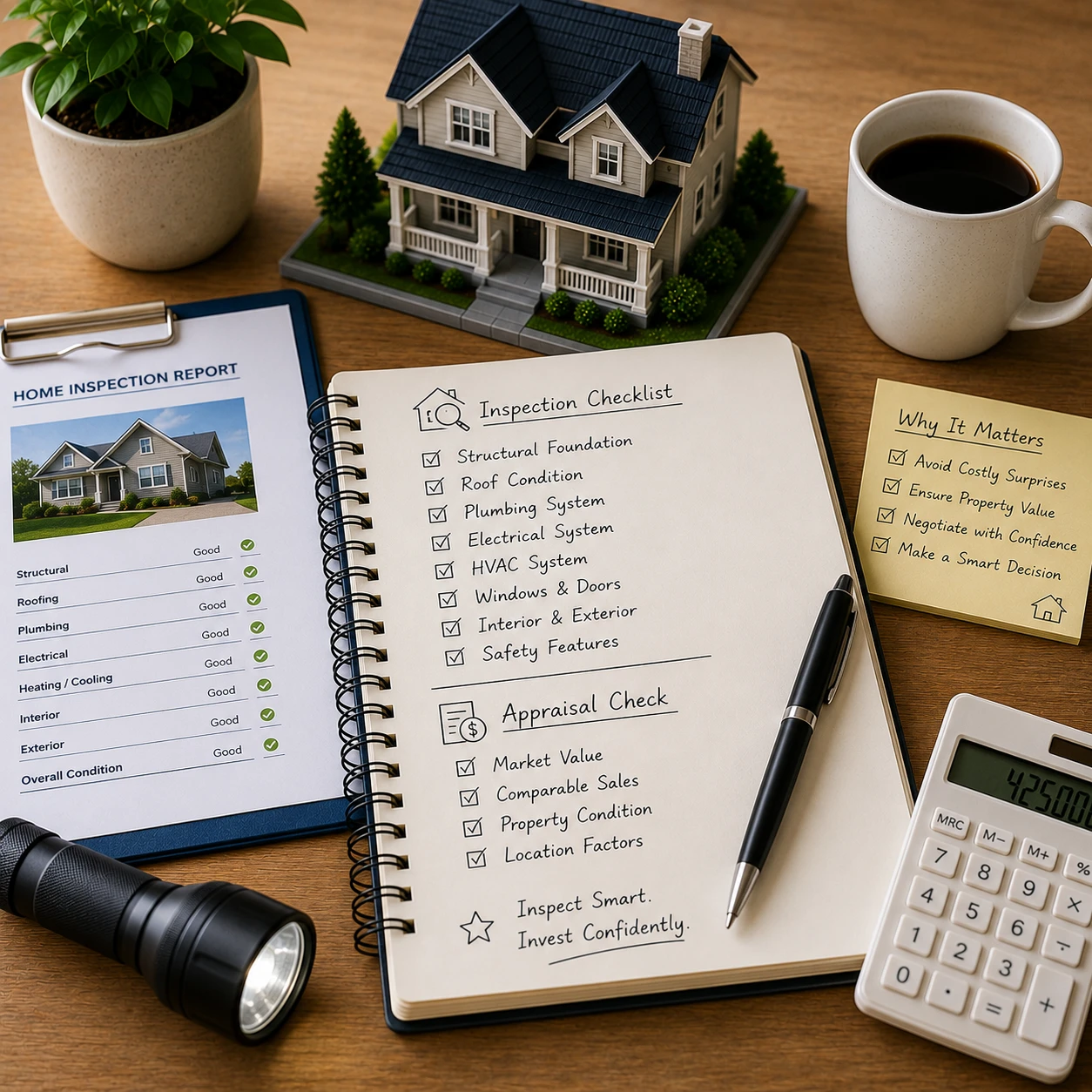


1. Attend the Inspection and Understand Each Major Finding
Attend the inspection in person when possible. The written report matters, but inspectors often explain severity, urgency, and practical meaning better during the walkthrough. Ask what each finding means for safety, habitability, repair cost, and future maintenance. Do not leave with only a list of defects. Leave with a clear sense of which issues are minor, which need negotiation, and which may change whether the home still makes sense.
2. Ask your inspector about remaining system lifespan
A standard inspection tells you the current condition of major systems, but it may not clearly tell you how long they are likely to last. Ask directly about the roof, HVAC, water heater, electrical panel, plumbing, windows, drainage, and other high-cost systems. A system can technically function today and still be near replacement. Remaining lifespan affects repair reserves, negotiation strategy, and whether the purchase price still feels reasonable.
3. Separate cosmetic findings from material risks
Not every inspection finding deserves the same attention. Minor wear, small maintenance items, and cosmetic flaws are different from structural problems, water intrusion, roof failure, sewer issues, electrical hazards, mold risk, foundation movement, or safety concerns. Focus your decision and negotiation on material risks that affect cost, safety, insurability, habitability, or long-term ownership. First-time buyers often get distracted by small defects and miss the expensive ones. Humanity, naturally, notices paint chips before drainage failure.
4. Order specialized inspections when general findings raise concerns
A general inspection is not the same as a sewer scope, radon test, mold evaluation, structural review, roof inspection, pest inspection, chimney inspection, septic inspection, or well test. If the general inspection raises concerns, order the right specialist before your contingency window closes. Spending a few hundred dollars on a targeted inspection can reveal a problem that may cost thousands to repair after closing.
5. Use findings to negotiate repairs, credits, or price adjustments
Inspection findings are not only information; they can support negotiation. Depending on the contract, market, and seller position, you may request repairs before closing, a seller credit, a price reduction, or another concession. Each option has trade-offs. Repairs give direct correction, credits may help cash-to-close, and price reductions may lower the loan amount. Focus requests on meaningful issues, not every small item in the report.
6. Understand appraisal results and your options
The appraisal is different from the inspection. It tells the lender whether the home supports the loan value, not whether the home is in good condition. If the appraisal comes in below your offer price, your options may include renegotiating, covering part of the gap in cash, challenging the appraisal with better comparable sales, or exiting if your contract allows it. Know your appraisal protection before the result arrives.
7. Track all contingency deadlines from day one
Inspection, appraisal, financing, title review, HOA document review, and other contingencies can each have separate deadlines. Missing a deadline can reduce or eliminate your ability to renegotiate, cancel, or protect earnest money. Set calendar reminders immediately after going under contract, with extra time before each deadline. The goal is not just to complete due diligence, but to complete it before your contractual protections expire.
![[background image] image of topdown photo of desk with laptop (for a food and agtech)](https://cdn.prod.website-files.com/69fcbfd51b2bc69ac521880f/6a33dfa5776699afc5a2cd35_7182686e-6068-46b5-b231-80326bc2e7b3.avif)