


U.S. New Homeowner Setup Guide- Stage 4
Ongoing Guide · Last Edited:
July 22, 2026

Prepare the Home Before the Furniture Arrives

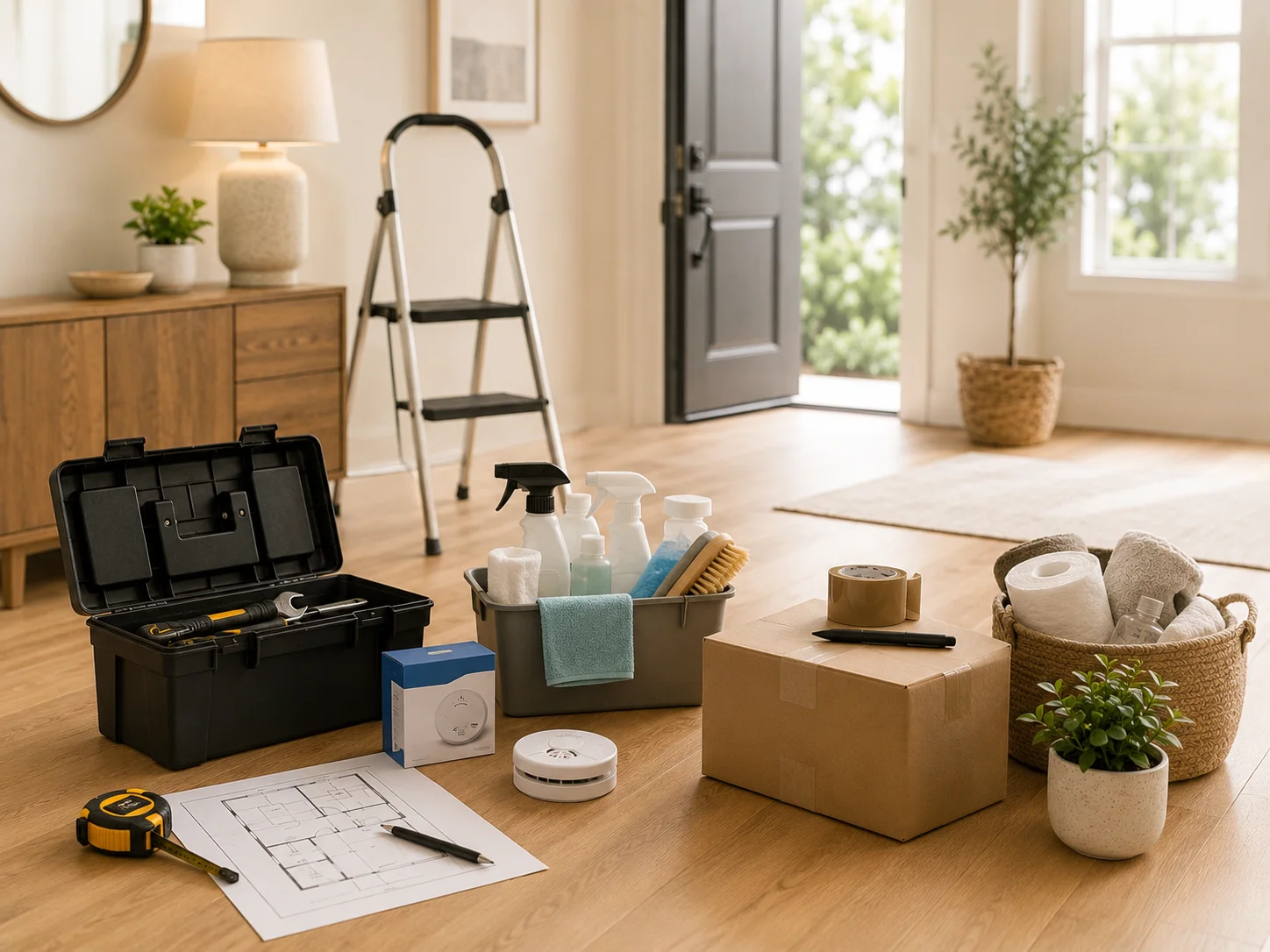
Cleaning, safety checks, smoke detector placement, and minor repairs are dramatically easier in an empty home. Handle them before move-in day, when they take hours instead of weeks.

Prepare the Home Before the Furniture Arrives
Fist Home Decisions Guide
Home Decisions Guide

Why This Stage Matters

Once furniture is in place, small problems become harder to fix. Cleaning is more difficult around cabinets and appliances. Painting requires moving everything twice. Replacing a filter behind a stacked washer and dryer is harder than in an empty laundry room. The empty home is the easiest version of the home you will ever have access to.

Safety setup is not decoration — it is a prerequisite for occupancy. Smoke alarms, carbon monoxide detectors, and basic safety checks belong before the first night, not after.

Critical Actions You Should Do

1. Complete deep cleaning before unpacking

Clean floors, cabinets, appliances, bathrooms, kitchen surfaces, closets, vents, and high-touch areas before any boxes are opened. Even if the home appears clean, a pre-move cleaning creates a better baseline and helps identify odours, pest signs, stains, leaks, or damage that may have been missed during the purchase process.

2. Confirm smoke and carbon monoxide detector placement meets NFPA 72

NFPA 72 requires smoke alarms inside every bedroom, in hallways outside sleeping areas, and on every level including finished attics and basements. Test each detector. Replace batteries in all units. Add detectors where required. Carbon monoxide alarms are required near sleeping areas where any fuel-burning appliance, fireplace, or attached garage is present. CO is colourless and odourless — a functioning detector is the only warning available.

3. Handle simple repairs before furniture arrives

Fix minor but practical issues before move-in when possible: loose handles, broken blinds, missing light bulbs, door alignment, minor leaks, damaged screens, or unsafe steps. Problems that affect safety, water, heat, or access should not wait. Problems that are merely inconvenient can be scheduled for after move-in.

4. Prepare first-night essentials before moving day

Set aside essentials before the move: toilet paper, soap, towels, trash bags, a basic tool kit, cleaning supplies, chargers, bedding, medications, water, snacks, a shower curtain if needed, light bulbs, and a first-aid kit. First-night planning prevents a long moving day from becoming more stressful because basic items are buried in boxes.

5. Measure rooms, doorways, and stairways before furniture arrives

Measure before large furniture is delivered. This prevents delivery problems, damaged walls, and buying items that do not fit. A simple layout plan reduces moving time and avoids rearranging heavy pieces repeatedly after arrival.

6. Prioritise safety over decoration in all first-week decisions

Locks, detectors, lighting, cleaning, tools, minor repairs, and basic comfort should come before purely decorative purchases. A room that looks finished but has an unresolved safety issue or missing essential is not properly set up.

Extra Actions You Can Do

1. If needed, professional cleaning or targeted treatment before move-in

Carpet cleaning, duct cleaning where warranted, pest treatment, and odour remediation are much easier before occupancy and much less disruptive than after.

2. Schedule pest inspection or preventive treatment if not completed during due diligence

Pest evidence that was minor at inspection can become active after a seasonal shift. A professional treatment before occupancy is less disruptive than after boxes arrive.

3. Test all appliances left by the seller before move-in

Discovering a non-functional appliance before occupancy is significantly easier to address than after.

4. Note where shutoffs are accessible from inside before furniture blocks them

The water shutoff under the sink, gas valve behind the dryer, and electrical subpanel behind the storage shelves are all easier to locate and test in an empty home.

Decision Gate

Important Signs That You Should Consider When You Want to Decide

  • ✓  GO AHEAD

    AND CONTINUE IF

    •  The home is clean, safe, and functional.

    •  Smoke and CO detectors confirmed operational and correctly placed per NFPA 72.

    •  First-night essentials prepared before moving day.

  • ✗  STOP

    AND REASSESS IF

    • Safety items — smoke detectors, CO alarms, locks, verified electrical and water function — are unresolved before the first night of occupancy.

STAGE DELIVERABLE

Pre-Unpacking Home Readiness Checklist

A confirmed checklist of cleaning, safety checks, minor repairs, first-night preparation, and detector placement before full occupancy.

[background image] image of topdown photo of desk with laptop (for a food and agtech)