
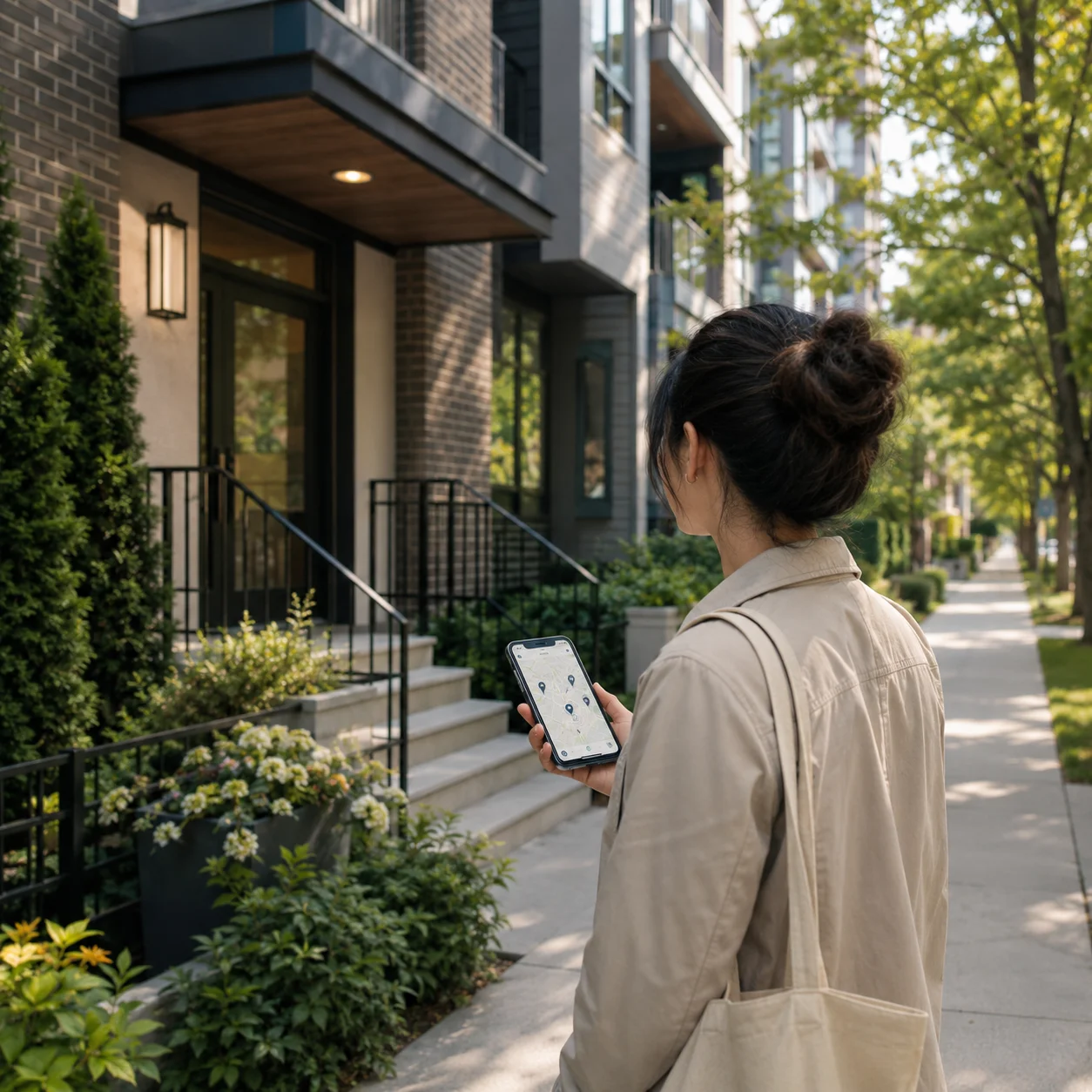


1. Define must-haves and deal-breakers before browsing
Set your search criteria before listings start influencing your judgment. Decide what is truly nonnegotiable, such as maximum total monthly cost, commute limit, bedroom count, school or transit needs, pet rules, accessibility, parking, or lease timing. Also define deal-breakers, such as unsafe payment requests, unclear fees, poor location fit, or no reasonable way to verify the landlord. This protects you from making emotional decisions based on photos, urgency, or attractive pricing.
2. Search using total cost, not listed rent
Your search range should reflect the full cost of living in the rental, not just the advertised rent. Include expected utilities, internet, parking, renters insurance, pet costs, laundry, transportation, application fees, move-in costs, and recurring building fees. A unit with lower rent may cost more overall if utilities, commute, parking, or fees are higher. Search by what the rental will actually cost each month.
3. Use established listing sources as the starting point
Use reputable rental platforms, direct property management websites, apartment community websites, and verified listings as your starting point. Social media, informal posts, marketplace listings, and direct messages can be useful, but they should be treated as unverified until confirmed independently. Do not assume a listing is legitimate because it has photos, a low price, or a fast response. Verification matters more than speed at this stage.
4. Verify the property and landlord before sending money or documents
Before paying fees, sending documents, or sharing sensitive information, confirm that the property exists, the address matches the listing, and the person or company contacting you has authority to rent it. Check the management company, official website, phone number, public property records where available, and communication consistency. If the landlord avoids verification, refuses basic questions, or pressures you to act quickly, stop and reassess.
5. Avoid Untraceable or Suspicious Payment Methods
Do not send money through gift cards, cryptocurrency, wire transfers, cash-like apps, or unusual payment methods to unknown or unverified parties. These are common scam signals because they are difficult to reverse or trace. A legitimate landlord or property manager should be able to explain fees, payment timing, and payment method clearly. Never pay a deposit, application fee, or holding fee before the property and rental authority are verified.
6. Keep a shortlist comparison sheet
Track every serious option in one place. Include total monthly cost, move-in cash, commute, utilities, fees, lease length, pet rules, parking, contact information, verification status, tour status, application requirements, and red flags. A shortlist helps you compare rentals clearly instead of relying on memory after browsing multiple listings. It also prevents urgency from making a weak or risky rental look better than it is.
![[background image] image of topdown photo of desk with laptop (for a food and agtech)](https://cdn.prod.website-files.com/69fcbfd51b2bc69ac521880f/6a33dfa5776699afc5a2cd35_7182686e-6068-46b5-b231-80326bc2e7b3.avif)